
Introduction Remote work is no longer an “experiment”—it is a standard way of life in 2026. However, as the technology has matured, we have begun to see a clearer picture of its benefits and its challenges.
The Pros (The Benefits)
- Flexibility & Freedom: Technology like Slack, Zoom, and Asynchronous Video (Loom) allows people to work when and where they are most productive.
- Access to Global Talent: Companies are no longer limited to hiring people who live within 20 miles of the office. You can live in a small village and work for a tech giant in Silicon Valley.
- Cost Savings: No commuting means more money in your pocket and a smaller carbon footprint for the planet.
The Cons (The Challenges)
- Digital Burnout: When your “office” is in your pocket, it’s hard to “turn off.” Many remote workers struggle with the “always-on” culture.
- The “Connection Gap”: While Zoom is great for meetings, it’s hard to replicate the “water cooler” moments and spontaneous brainstorming that happen in a physical office.
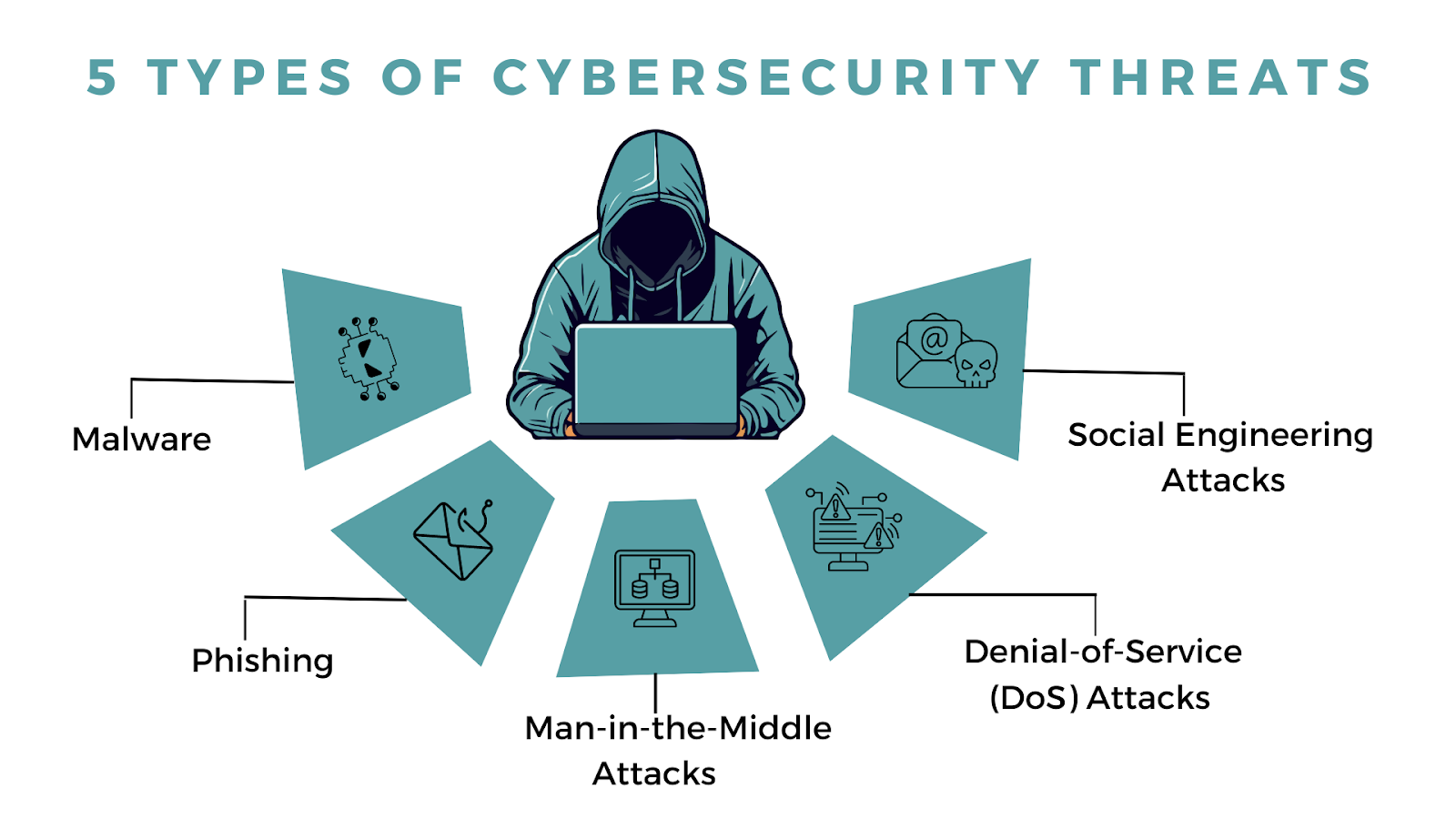
- Security Risks: Remote work opens up more “holes” for hackers. Companies now have to secure thousands of home Wi-Fi networks instead of just one office network.










Leave a Reply