
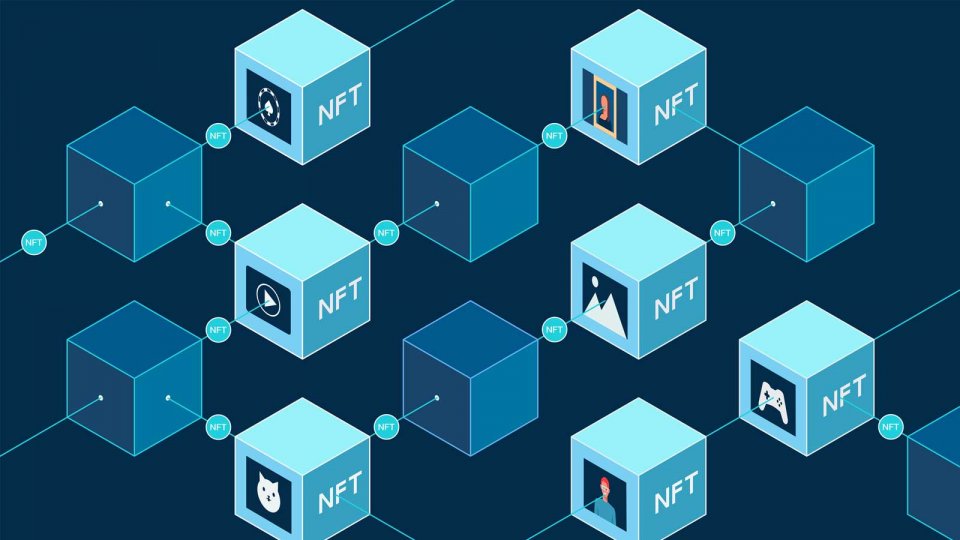
Introduction Despite the hype of the early 2020s, blockchain is not just about “digital money.” At its core, blockchain is a Distributed Ledger Technology (DLT)—a way for multiple parties to agree on the truth without needing a middleman like a bank or a government.
How the Chain Works Think of a blockchain as a digital book of records.
- The Transaction: Someone requests a transaction (moving money, a property deed, or a medical record).
- The Block: That transaction is bundled with others into a “block.”
- The Verification: A network of computers (nodes) checks the block to make sure the transaction is valid.
- The Hashing: Once verified, the block is given a unique “hash” (a digital fingerprint). It also contains the hash of the previous block. This is what creates the “chain.”
- Immutability: Because every block is linked to the one before it, you cannot change a single record without changing every single block in the chain—which is virtually impossible.
Why It Matters in 2026 In 2026, blockchain is the “Trust Layer” of the internet. It is used to verify that a video is real (not an AI deepfake), to track organic food from the farm to the store, and to allow for “Decentralized Identities” where you own your personal data instead of a social media company owning it.



Leave a Reply